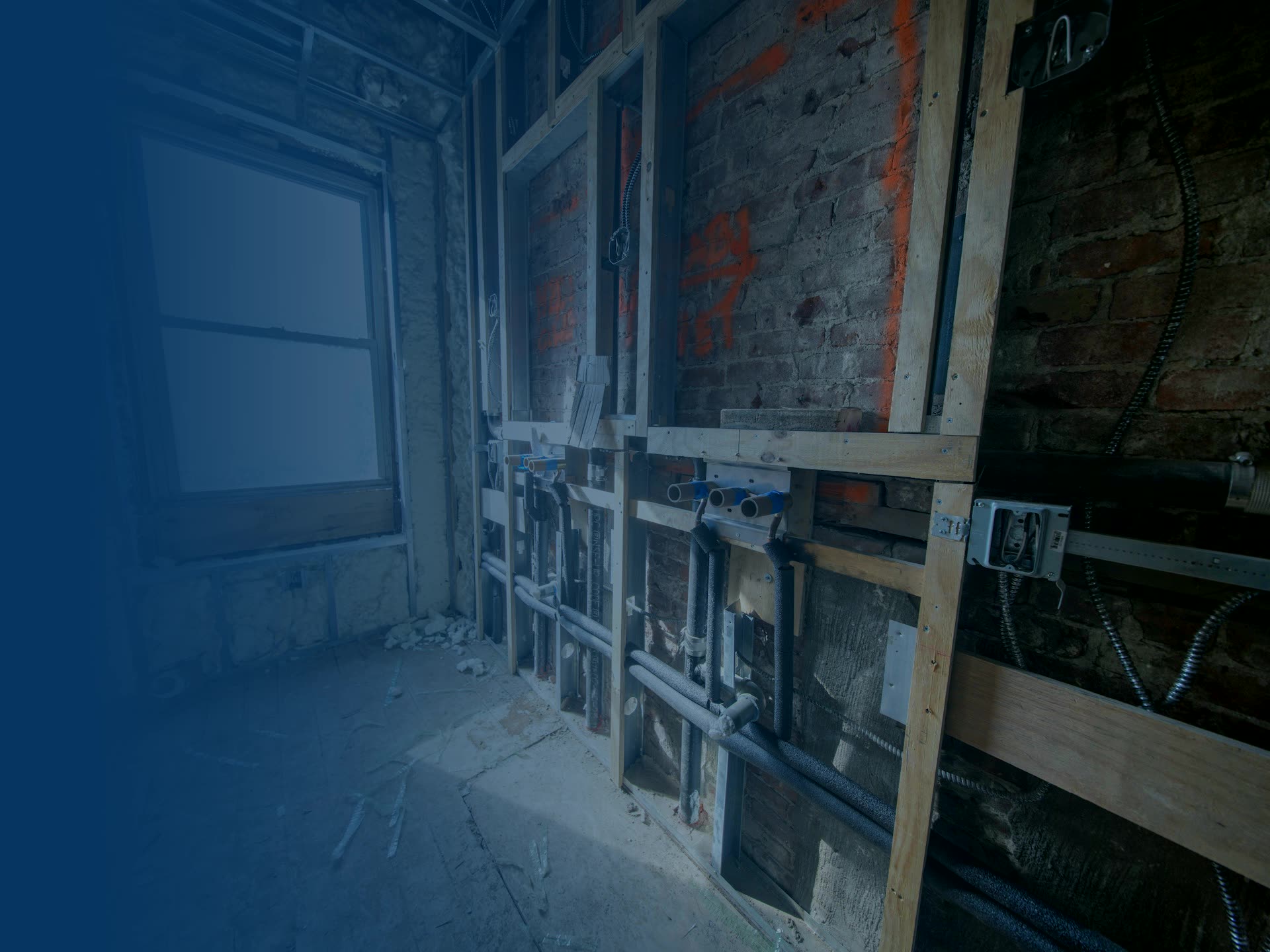
From plan set to working system.
Three stages, one accountable partner, and no trade on site that isn't already on your job.
The specialist was never the technology.
Conventional automation is sold through certified dealer networks. Proprietary hardware, licensed programming tools, and a rule that only an accredited installer may commission a system. That structure decides your cost, your schedule, and who is allowed on the job.
The design is handed off
Every project gets a system design, a hardware list and installation guidelines before anyone is on site — documents your trades can build from rather than a specialist you have to schedule.
The install is ordinary trade work
Mounting hardware, running cable, terminating devices. Work your electrical, low-voltage and general contractors already do — to a guideline rather than a certification.
The programming stays with us
We commission the system. You never need a licensed tool, an accredited technician or a dealer agreement to end up with a working installation.
Plan, install, commission
The same three stages on every project, whether it is a single room or an entire property.
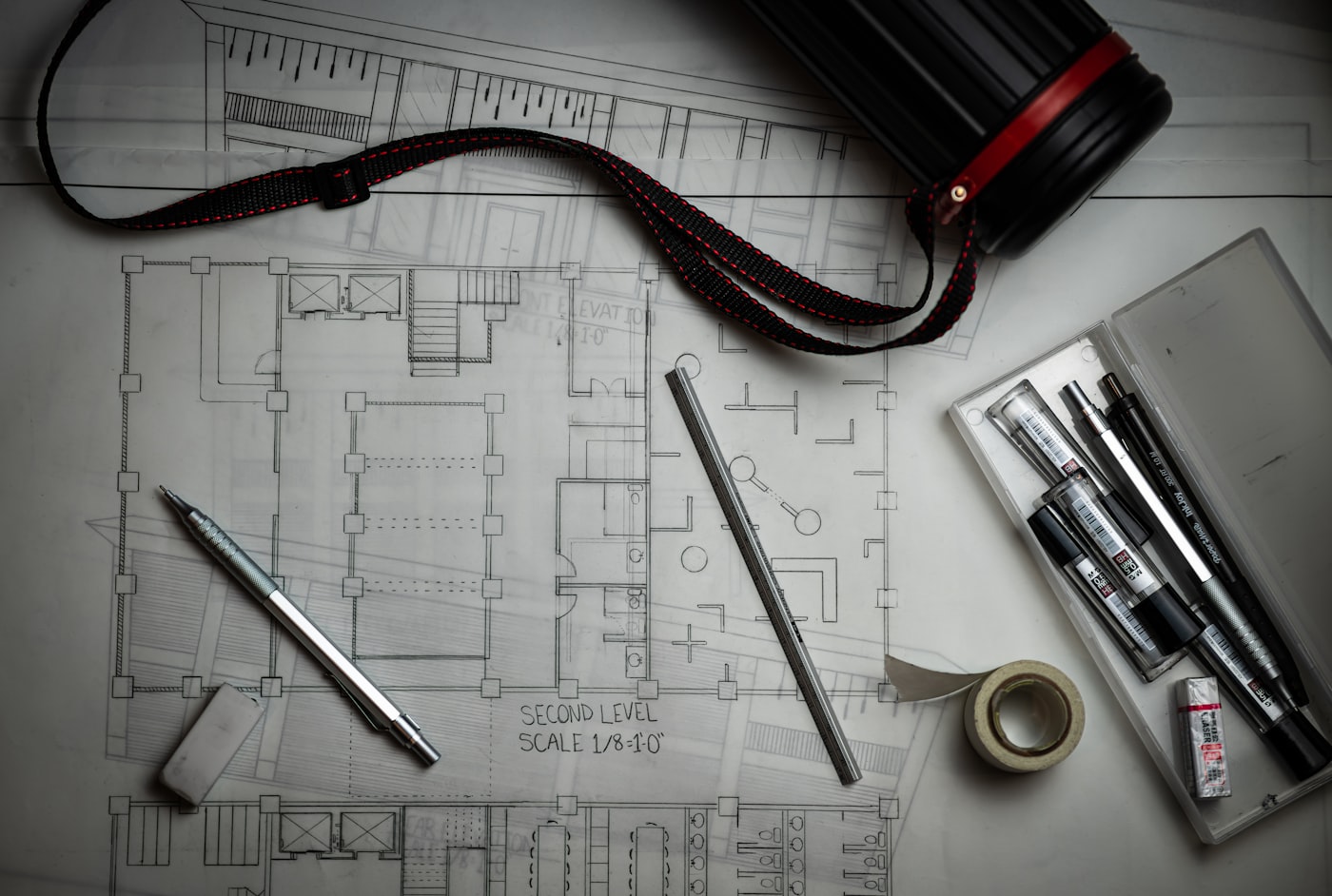
Plan
We produce the system design, the hardware list and the installation guidelines your contractors will work from — delivered during planning, while the drawings can still change.
Specifying at this point is what keeps everything after it cheap. Back-boxes land in the right places, cable runs are on the drawings, and nothing has to be opened up later.
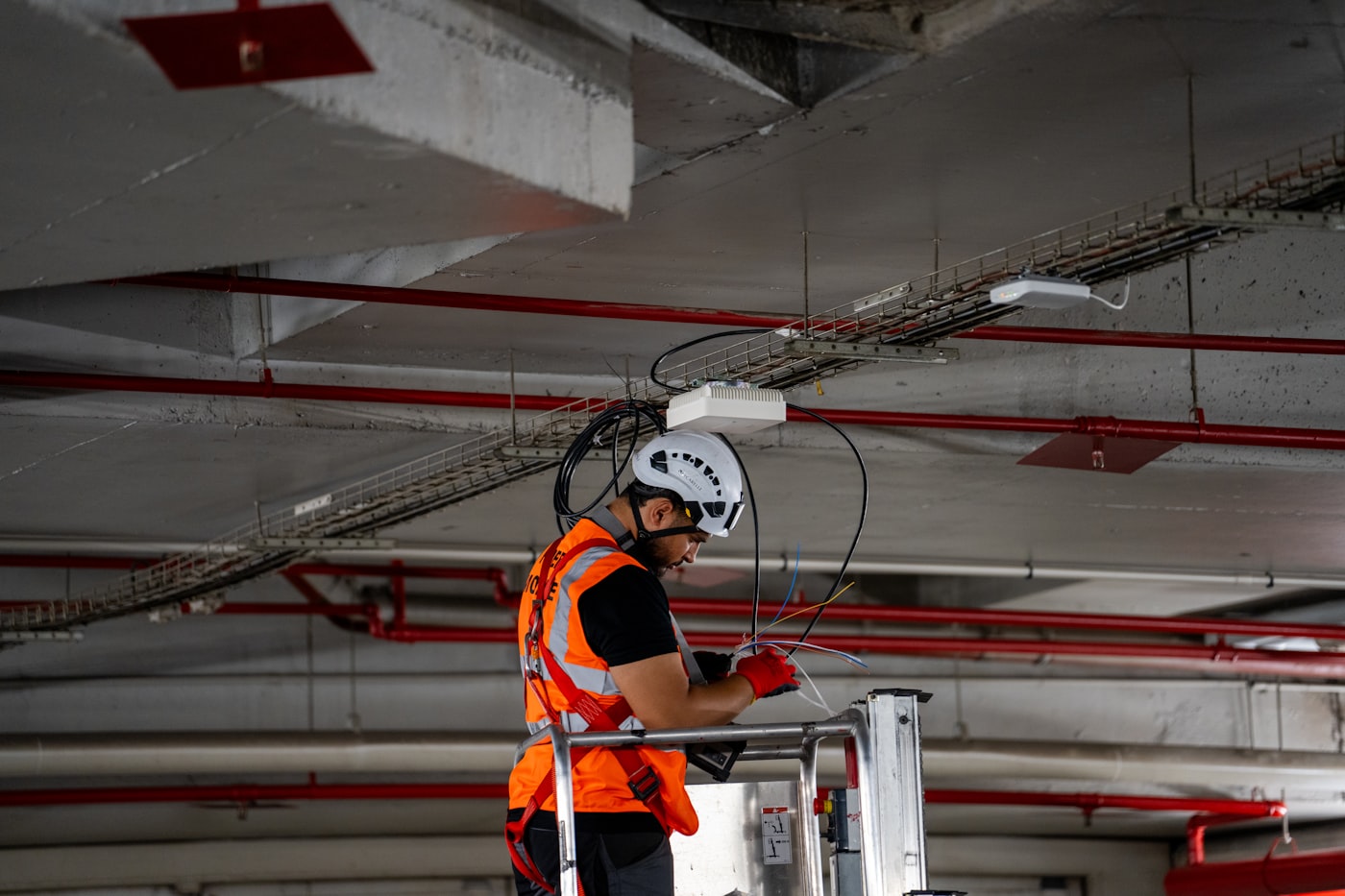
Install
Your electrical, low-voltage and general contractors install to the guidelines. No certification, no proprietary training, and no waiting on a specialist to become available.
If a question comes up mid-install, it comes to us. Your trades are never left to interpret the system on their own.
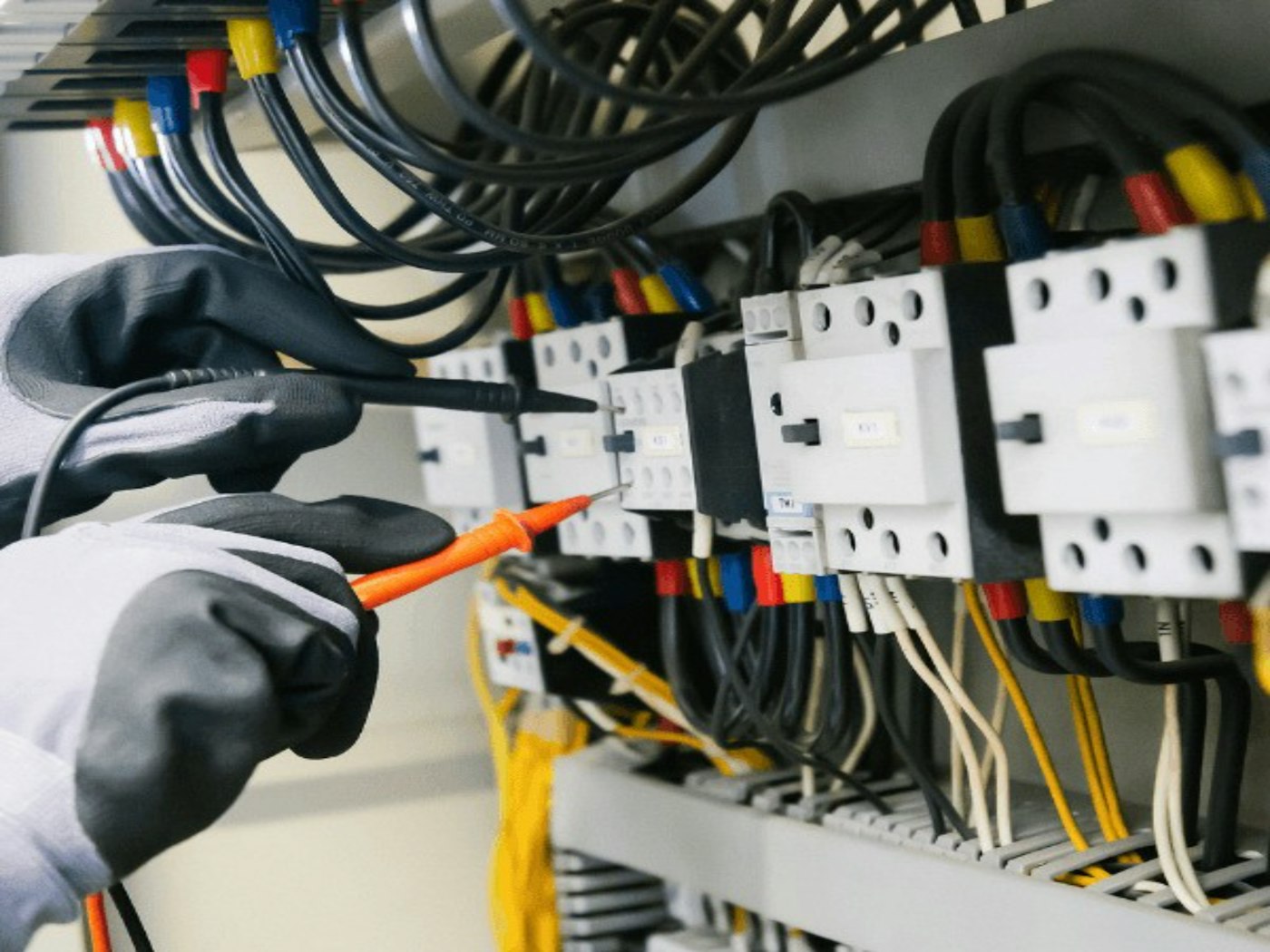
Commission
Once the hardware is in, we program the system and hand over a working installation.
We are on site for the initial hub deployment and remote from then on.
Who does what
The line falls in the same place on every project.
Choosing, not verifying
Compatibility is the tax on open platforms. We pay it once, so your specifier doesn't have to.
Local first. Cloud when you want it.
Each space runs on a Nexus Hub, a local controller that talks to your devices directly. It keeps working whether or not it can reach the internet.
Runs on the property
Control, schedules and automations execute on the hub itself. The system does not depend on a connection in order to work.
Cloud is additive
Nexus Cloud adds dashboards, updates and real-time remote support. Decline it and everything keeps running locally.
Your data stays put
Device data lives on the property by default. What leaves is what you choose to send.
Start with one space.
Pilot Nexus in a single room, one building, or one project — then roll it out across the portfolio.
Talk to us about your project